SECTIONS
- What is a carbon credit?
- What is the case for carbon offsetting?
- What is a carbon credit worth?
- How do I calculate my carbon footprint?
What is a carbon credit?
A carbon credit, sometimes called a carbon offset, represents the certified reduction or removal of one tonne of carbon dioxide equivalent (tCO2e) from the atmosphere. To try and put this into context, one tonne of CO2 is the equivalent to the average monthly carbon footprint of someone living in Europe.
After making every effort to reduce emissions as much as possible, purchasing carbon credits is a way to be accountable for a climate impact and to take climate action beyond one's own area of influence.
For more information on how to buy carbon credits, please consult the following: How can I purchase carbon credits?
What is the case for carbon offsetting?
Prioritising emission reductions remains central to reducing climate impact. To ensure real climate action, it is essential that we all become positive contributors to global net zero - acknowledging responsibility for historic and ongoing harmful impacts, becoming positive contributors to global efforts and funding climate action.
Carbon credits serve as a tool to address unavoidable or historic emissions.
For information about how businesses can take responsibility for their emissions and contribute to a net zero world, refer to Gold Standard’s Climate Mitigation Framework:
- An initial framework for organisational climate mitigation strategies – a consolidated series of principles and criteria, which provides a credible framework for organisational climate mitigation strategies, set out in a series of principles and criteria. It also provides an outline of which criteria require further development support in terms of supporting tools and guidance, alongside what can still be meaningfully progressed now.
- Considerations for credible claims - supplementary input to organisations applying the framework, providing discussion, ideas, framing and ‘how to’ considerations.
When you purchase Gold Standard-certified carbon credits, you are funding climate change projects. Projects that reduce carbon emissions and create sustainable development benefits for the communities that need it most.
Each Gold Standard Project has a verified contribution to at least three of the UN’s Sustainable Development Goals. We quantify, certify, and maximise impacts toward climate security and sustainable development.
We are the only carbon market standard that is a member of the ISEAL Alliance, the leading membership body for governance in sustainability systems. Our governance, including our approach to standards setting and assurance, is scrutinised independently and monitored in line with good practice.
What is a carbon credit worth?
The price of a carbon credit depends on many factors, including market dynamics and the quality, type, size, and geographical location of the project – but most importantly, the value that credit creates.
To find out more about the dynamics that drive pricing for carbon credits, please refer to the World Bank's 'State and Trends of Carbon Pricing'.
How do I calculate my carbon footprint?
You can calculate your carbon footprint by using an online carbon calculator. There are a number of calculators that can help you to measure and understand the impact of your activities.
1) Reduce your emissions where you can. We won’t reach global net-zero without a collective effort. Decarbonisation is critical at work and at home.
2) Determine the number of credits you need:
- Business emissions: There are specialist organisations that support companies with assessing business emissions. You can find more information through The International Carbon Reduction and Offsetting Accreditation (ICROA).
- Travel emissions: Use the ICAO calculator to identify the amount of CO2 emitted by your flight.
- Personal emissions:
- UK: WWF UK footprint calculator
- USA: CoolClimate Calculator
- World Bank’s estimates of average emissions per capita:
- 1 tonne a month or less: Most European countries, emerging economies and developing countries
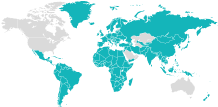
- 2 tonnes a month: Australia, Canada, Estonia, Luxembourg, United States + several oil exporting countries

- 3 tonnes a month or more: Curacao, Kuwait, Qatar, Trinidad & Tobago

- 1 tonne a month or less: Most European countries, emerging economies and developing countries
Also, many governments have environmental departments that provide tools and calculators to help you calculate your emissions.
You can also find a list of reputable carbon consultants on the ICROA website.
For any remaining questions, please contact us at help@goldstandard.org.
Was this article helpful?
That’s Great!
Thank you for your feedback
Sorry! We couldn't be helpful
Thank you for your feedback
Feedback sent
We appreciate your effort and will try to fix the article